Reflections of my main assets: Islam, Sudan, Epitesmia and Love
A Worldly Sudanese..
A Sudanese with a Global core.. Realizing how the taste marvelously varies across Countries, Continents, Religions and Cultures.. Believing we have to share it.. Denouncing the 2011 Sudanese Partition..
هذه الفتاة إسمها فاطمة عيد سويلم ، من إحدى قري محافظة المنصورة ، يتيمة الأبوين ، ربتها عمتها التي لم يكن عندها أولاد . و عندما كبرت و اصبحت في سن الزواج ، تقدم لخطبتها شاب من القرية ، لكن أمه رفضت لأن البنت يتيمة و لا عزوة لها . فتاثرت البنت ، و ذهبت إلى عمدة القرية ، راجية منه أن يكون وكيلها عند عقد قرانها ، فسخر منها . ذهبت إلى مأمور المركز أيضا ، فرفض . فكتبت إلى جمال عبد الناصر تشرح له قصتها ، و ترجوه أن يطلب من العمدة أن يكون ولي أمرها .
كانت عادة الراحل الرئيس عبد الناصر أن يقرأ بنفسه الرسائل التي تأتيه من الناس ، و يطلب من سكرتيره الشخصي محمود الجيار حل أي مشكلة . لكنه عندما قرأ رسالة فاطمة ، أتصل بمحافظ المنصورة ، و طلب منه أن يذهب إلى القرية حيث تسكن الفتاة ، و يأخذ معه عدد من الشخصيات ....
فهل هناك جبر خاطر فعله أحد من حكام العرب ، كما فعل عبد الناصر عندما جبر خاطر فتاة يتيمه؟؟ (بتصرف)
ثم اتصل عبد الناصر بشيخ الأزهر و طلب منه الحضور الى القصر الجمهوري صباح ذلك اليوم . و عند صلاة الظهر كان عبد الناصر و شيخ الأزهر و محمود الجيار أمام بيت العمدة . و طلب عبد الناصر من العمدة شخصيا أن يذهب و يحضر الفتاة ، و خطيبها و أمه . و وقف عبد الناصر و قال للشاب أنا وكيل و ولي أمر فاطمة ، فهل تقبل زواجها ؟؟
و تم عقد زواجها ، الوكيل عبد الناصر ، و الشاهدين محمود الجيار و محافظ المنصورة ، و المأذون شيخ الأزهر .
كان على لوط -عليه السلام- قبول رذيلتهم ، كونهم يشكلون أغلبية المجتمع
ليبرالياً
لا يحق للوط -عليه السلام- أن ينهاهم عن رذيلتهم ، فهم أحرار في قراراتهم ، خاصة أنهم لم يضروا أحداً
علمانياً
ما دخل الدين في ممارساتٍ جنسيةٍ تتم برضى الطرفين؟
تنويرياً
قوم لوط مساكين ، ومعذورون ، كونهم يعانون من خللٍ جينيٍّ أجبرهم ، طبيعياً ، على ممارسة فاحشتهم
الدولة المدنية
الشواذ فئة من الشعب ، يجب على الجميع احترامهم ، وإعطاؤهم حقوقهم للممارسة رذيلتهم ، بل وتمثيل أنفسهم في البرلمان
لكن في دين الفطرة الإسلام
فإن لوطا -عليه السلام- لم يكن قادراً على ردع قومه ، فانتقل لإنكار رذيلتهم ، ونصحهم باللسان ، وكره بقلبه طباعهم ، ثم غادر مكانهم بأمر رباني بعد تكرار دعوتهم بلا جدوى
حتى حلّت العقوبة الربانية في قوله تعالى: فَلَمَّا جَآءَ أَمْرُنَا جَعَلْنَا عَالِيهَا سَافِلَهَا وَأَمْطَرْنَا عَلَيْهَا حِجَارَةً مِّنْ سِجِّيلٍ مَّنْضُودٍ
حقيقةً
إن كلاً من ديموقراطية ، وليبرالية ، وعلمانية ، وحداثية ، ودولة مدنية... مزعومة ، لتنازع الفطرة أصولها وفروعها وأخلاقها ، ولا يجمعهن بها أي رباط ، كالتناقض بين الكفر والإيمان
Open-mindness
زوجة لوط لم تشترك معهم في فاحشتهم بيد أنها كانت تتقبّل اختلافهم وتُقرّهم عليه ، فكان جزاءها قوله تعالى
وَثيقة؛ الإمبراطور أليكسيس الأول كومنين Alexis Ier Comnène يمنح امتيازات تجارية للبندقيين بواسطة قرار مختوم صادر بتاريخ 5 مايو 1082 م.
«لهذا، ومكافئة لهم على خدمات من هذا القبيل، أرادت جلالتنا الإمبراطورية وفقا لهذا القرار المختوم أن يحصلوا كل سنة بمناسبة الاحتفالات الرسمية، على مدخول بقيمة 20 ليرة، وأن يوزع هذا المال على كنائسهم الخاصة وحسب مشيئتهم [...] فضلا عن ذلك تمنحهم جلالتنا جميع الدكاكين الكائنة بالحي المخصص لهم في بيرما (Perma) بطوابق متعددة وحيث المداخل والمخارج تنفذ إلى الشارع الممتد من الهبرايكا (l’Hébraica) إلى فيگلا (Vigla) ، تلك الدكاكين الآهلة وغير الآهلة بالسكان، تلك التي يقيم بها البندقيون مثلها مثل تلك التي يسكن بها الإغريق، وثلاثة أرصفة بحرية بنفس المكان [...]. جلالتنا، منحتهم أيضا الحق في المتاجرة بأي سلعة كانت وفي كل مناطق رومانيا (Romanie) [...] بل وحتى في الميغالوبوليس (القسطنطينية) ، وبكل بساطة في جميع المناطق التابعة لنفوذ جلالتنا، دون أن يدفعوا أي رسم كان على أي صفقة تجارية أبرموها [...].»
Reporting from Sudan has been difficult for several structural reasons: The country is difficult to access geographically in comparison to most Arab and African states. Once there, it is difficult to cover because of its huge size and lack of infrastructure. The enormous heterogeneity of the population—597 tribes, 400 languages/dialects, some 200 religious orientations—makes it the challenge of a lifetime to study and simultaneously a paradise for anthropologists.(And a complete opposite to Egypt’s features).
But from a news media perspective the greatest handicap has been the absence of Western news organizations-—AP,UPI,BBC, VoA, DW, NYT, WaPo, FR24, etc— with bureau chiefs in Sudan. So whenever a newsworthy event occurs there, the parent organization dispatches a correspondent either from Cairo or East Africa (Addis/Nairobi) where they all maintain bureau chiefs to look into the issues of Sudan. A few will check with Sudanese in Cairo,Addis or Nairobi which usually leads to a distorted lens because most Sudanese there have been political exiles for a variety of reasons. In addition ,the governments of Egypt, Ethiopia and Kenya have historically been the most unfriendly to Sudan.
I do not blame these reporters for being superficial, but I and my colleagues in the Sudan Studies Association of America could tell them how many years it has taken to get a reasonable handle on this large and complicated country. Five years study was not sufficient for me.
I have been studying Sudan since the early 1960s and was in Khartoum on October 21,1964 to witness the so-called “October Revolution” which terminated the first military regime of General Ibrahim Abboud. I was able to join the National Elections Commission ex officio, studied the parliamentary elections of 1965 (and its predecessors in 1953 and 1958) in great detail which then formed the bulk of my PhD dissertation(Princeton 1968). All in all I have been to all 9 original regions of Sudan, lived for 3 years among the public and have returned to the country in 16 different years spanning over half-a-century(last time in Darfur in this decade.)
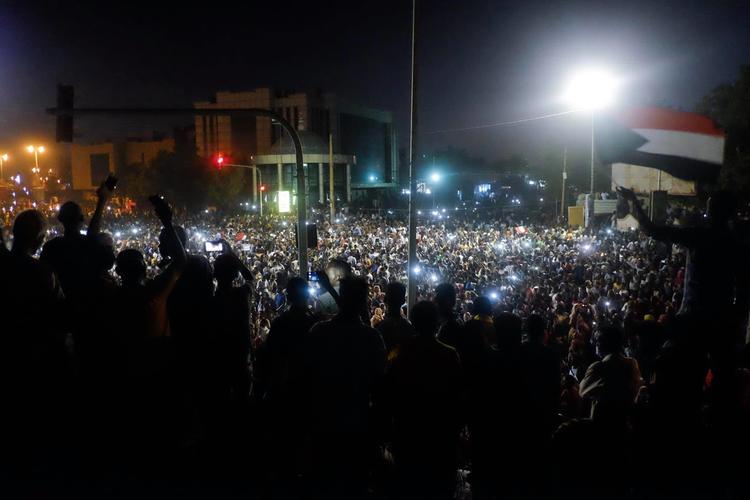
Now to the current crisis/confrontation. From NPR to PBS to almost all other news reports we are told that the Transitional Military Council in charge of the government after the ouster of long-time dictator Omar H.A.al-Bashir in April is resisting turning the controls over to civilians seeking democracy. This may be true of 5-10% of the total population and perhaps 15-20 % of those in the Capital area(whom we can see on tv clips). But this is incorrect on multiple levels: a) the demonstrators are not shouting or writing that they want democracy, they want civilian rule.
More precisely, as in the mislabeled “Arab Spring” they have shouted and written on hand- held signs Al-SHA’B YURID ISQAT AL-NIZAM–The People want the Fall of the “System.” Despite how the demonstrations have often been reported, the masses haven’t demanded democracy. Of course, some young English-speaking students with smartphones emphasize democratic rule, just as was the case in Tunisia, Egypt, Yemen, Bahrain, Libya and Syria earlier. They are, however, only one component of a much larger opposition that had come together under one umbrella for the first step: to rid themselves of a despised regime. This was true of the above cases and the Iranian Revolution of 1978/79 as well.
The subsequent problem arose from step 2: how to forge a coalition of diverse interests that did not see eye-to-eye on many fundamental matters. So in the demonstrations outside the military HQ complex right by the University of Khartoum grounds were young students remembering earlier anti-military uprisings against Abboud and Numayri. There were women of many ages who have felt discriminated against. There were refugees from Darfur (well over a million living in the Khartoum region) and opponents from the war-torn South Kordofan and Southern Blue Nile Provinces where regional rebellions have been festering for more than a decade. In the geographic center divisions festered among the Congress Party and National Congress Party, both Islamist in orientation but divided over whether to support Omar al-Bashir’s regime. Beyond these current and former rulers during the past 30 years of the “Revolution of National Salvation” (1989- present), there are the followers of a dozen diverse Sufi orders (turuq), who have formed coalitions and counter-coalitions among Sudan’s political parties since before independence in 1956.
It is precisely this mishmash of opposition groups, reminding me of the Syrian uprising and not at all of Tahrir Square in Cairo which was a simple choice by comparison, that has caused the dragging outof the negotiations. The military leadership and most of the rank-and-file do not want to hang onto power, as has been the case in Algeria, for example. But they know their own institutional history if nothing else: The junta of LG Ibrahim Abboud was invited by Prime Minister Abdallah Khalil to take over in November 1958 to restore order to what had become chaotic health and government services resulting from parliamentary gridlock. The chaos was removed, but the junta decided to stay on for another 6 years until student demonstrations pressured them to leave. An organization of “Professionals”,e.g. teachers, doctors, lawyers, journalists helped with the transition to democratic elections, but were sidelined by having virtually no support beyond the relatively upscale neighborhoods in the Capital areas.
Traditional religiously based political parties took over for 4 years until the May 1969 Revolution of LG Ja’far Numayri, who abolished all parties and tried to downgrade the turuq . He hung on for a surprising 16 years until he was ousted in a fashion similar to Abboud. Another Transitional Council prepared the elections one year later (April 1986) which led to “democratic government” under Prime Minister Sadiq al- Mahdi. As we now know, this ended in June 30,1989 when the Islamist group headed by Omar al-Bashir took over, ostensibly to put an end to regional conflict in South Sudan, Darfur, Kordofan and some other remote areas.
No one, Sudanese or Sudan specialist, could have imagined a 30-year dictatorship by a man of limited intelligence and experience. (I interviewed him.) He compensated by strengthening his security services, who put down uprisings with un-Sudanese brutality. They are also the ones suspected of committing the killing spree of June 3 when roughly one hundred died. They in turn have claimed that these camps were inhabited by Darfurian insurgents, not peaceful demonstrators as reported in the West. Hard to judge from here, but both explanations are plausible. It is interesting to note that their military commander has been branded by Western media recently as the brutal butcher of Darfur of one decade ago. Who is pushing what here ?
We do know that Egypt, Saudi Arabia and UAE are all opposed to Islamic rule. Right now the military leadership and much of the civilian opposition in Sudan favors the Muslim Religious Right. Once the new rulers of Sudan recall the 14,000 or so Sudanese troops fighting in Yemen’s civil war on behalf of Saudi Crown Prince Mohammed Bin Salman and de fact United Arab Emirates ruler Mohammed Bin Zayed, their financial support for Khartoum may disappear. Meanwhile, hopes for a more inclusive and possibly more “democratic” regime may lie with the intercession of mediators from Ethiopia and the African Union. Building trust among all parties will take longer than in the past. All Sudanese professionals, military or civilian, should know this. The kids on the streets must learn to be patient; their answer lies in studying their own histories. Keep out Egypt, yes. Keep out Saudi Arabia and theUAE, hopefully. In the absence of such strategic rent from abroad, however, will any new Sudanese government have the wherewithal to provide to the Sudanese public the economic progress (and even just survival) they are demanding?
Whether we want to or not, we must try to understand the Donald Trump phenomenon, as it has completely swept the nation and also fiercely divided it. What is most baffling about it all is Trump’s apparent political invincibility. As he himself said even before he won the presidential election, “I could stand in the middle of 5th Avenue and shoot somebody and I wouldn’t lose voters.” Unfortunately for the American people, this wild-sounding claim appears to be truer than not. It should also motivate us to explore the science underlying such peculiar human behavior, so we can learn from it, and potentially inoculate against it.
In all fairness, we should recognize that lying is sadly not uncommon for politicians on both sides of the political aisle, but the frequency and magnitude of the current president’s lies should have us all wondering why they haven’t destroyed his political career, and instead perhaps strengthened it. Similarly, we should be asking why his inflammatory rhetoric and numerous scandals haven’t sunk him. We are talking about a man who was caught on tape saying, “When you’re a star, they let you do it. You can do anything. Grab them by the pussy.” Politically surviving that video is not normal, or anything close to it, and such a revelation would likely have been the end of Barack Obama or George Bush had it surfaced weeks before the election.
Yet; the proper scientific, cultural, and administrative integration is harder to achieve despite the many scattered costly efforts and bright wishful dreams
A Comprehensive Strategic Urban Plan is required with adequate mechanisms for ownership, control and protection
As you walk through Downtown Cairo’s beautiful streets and alleys, looking up at its architecture you can’t help but imagine the stories that were lived here. Its charm, character and the history make you go back in time, playing host to the most cultured and creative minds in hashtag#Egypt, inspired by the vibrancy and urban fabric of Cairo in its glorious days.
A must see in every traveler’s itinerary.
Yes, but their numbers are not too much. Most were born in Turkey and Turkish citizens, they accept themselves as Turkish. Many do not know their roots. (I mean which country they came from). It is a fact that they are mostly settled in Anatolia because of slavery, unfortunately (It could be in the time of the Ottoman Empire or before it). Some were born in another country and subsequently received Turkish citizenship. Some are the result of hybrid marriages :)
أنا متحمس للتواجد هنا في أبو ظبي لتمثيل مصالح دولة إسرائيل مع دول الخليج
هناك تقدم ملحوظ في العلاقة بين إسرائيل ودول المنطقة
وسأواصل العمل مع رئيس الوزراء بنيامين نتنياهو لتعزيز سياسة التعاون التي نسع لتحقيقها على أكمل وجه، بناءً على قدرات إسرائيل، في مجالات الأمن والمخابرات وفي المجالات المدنية المختلفة
هذه هي أول زيارة يقوم بها وزير إسرائيلي كبير إلى دولة عربية بعد مؤتمر البحرين مباشرة. الوزير كاتس عقد اجتماعا مع مسؤول كبير في الإمارات حيث تمت مناقشة الجوانب الإقليمية والعلاقات بين البلدين، ضرورة التعامل مع تهديدات إيران بشأن القضايا النووية وتطوير الصواريخ ودعم الإرهاب الإقليمي وعنف إيران ضد المصالح في المنطقة
كما تمت مناقشة الأنشطة المشتركة لتعزيز العلاقات الاقتصادية بين البلدين في مختلف المجالات، مثل التكنولوجيا المتقدمة والطاقة والزراعة والمياه
وقدم الوزير كاتس مبادرة "مسارات السلام الإقليمي"، التي تشتمل على اتصال اقتصادي واستراتيجي بين المملكة العربية السعودية ودول الخليج عبر الأردن وشبكة السكك الحديدية الإسرائيلية وميناء حيفا في البحر الأبيض المتوسط
وشارك كاتس في أبو ظبي في مؤتمر الأمم المتحدة لشؤون البيئة حيث التقى بالأمين العام للأمم المتحدة